Cannabis on the Menu? What to Ask Before Booking a Dinner Experience
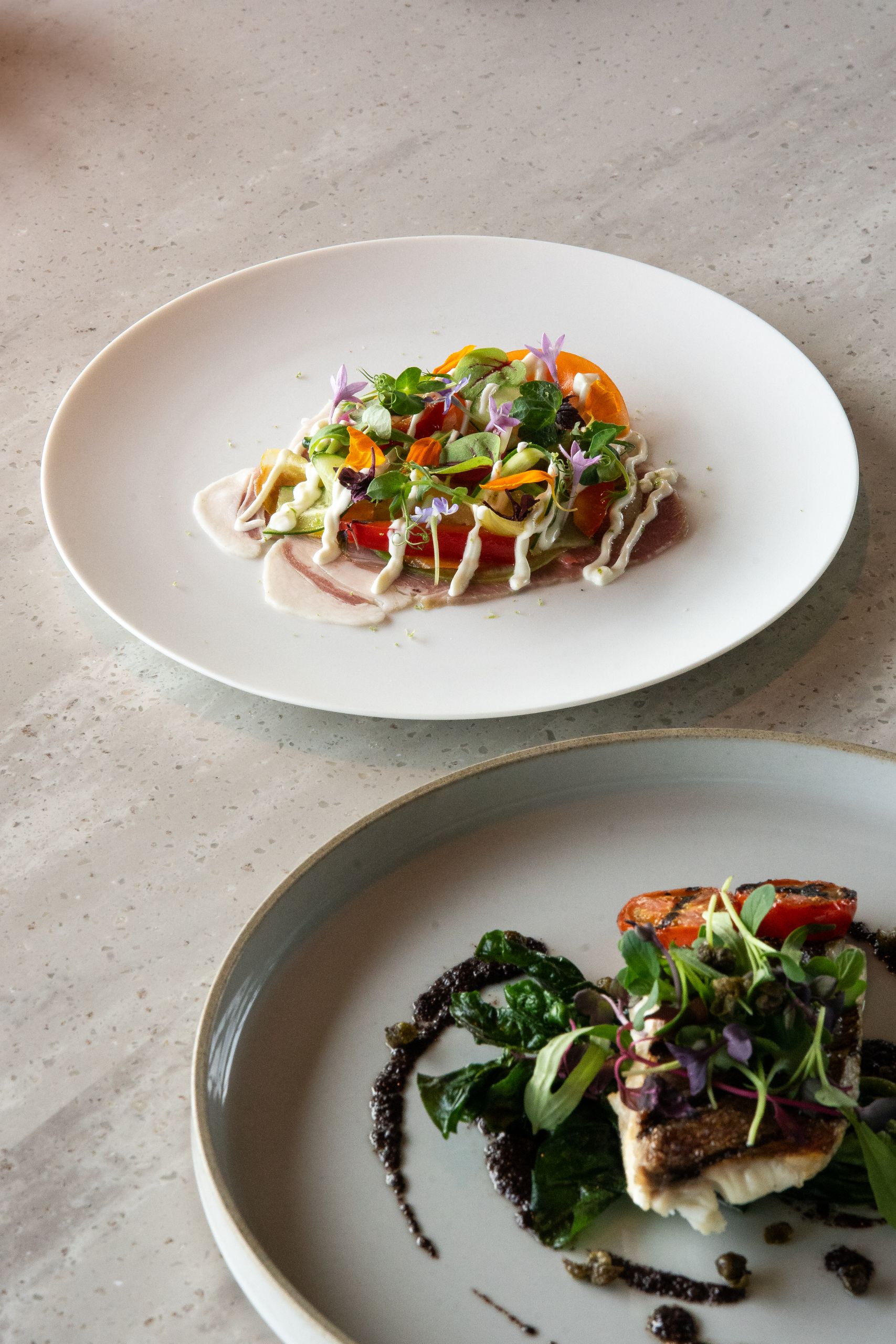
A tasting menu can tell you plenty about an evening: seasonal ingredients, the chef’s style, and perhaps a few unexpected flavor combinations. When cannabis enters the description, the questions become more specific.
Does “cannabis-inspired” mean the food contains cannabinoids? Is the event pairing ordinary dishes with a separate product? Can someone enjoy the full meal without consuming cannabis?
Before booking, get those answers from the organizer. A well-described experience should make participation clear, give guests meaningful choices, and explain what is included in the ticket.
That leaves more room to enjoy the food, rather than spending the first course trying to understand what you signed up for.
Find Out What “Cannabis Dining” Means
The phrase can describe several different experiences.
One event may focus on the plant’s history, aromas, and culinary connections while serving food without added cannabinoids. Another may offer an infused course. A third may serve an ordinary dinner alongside separately purchased cannabis products.
Those distinctions affect the evening.
Read beyond the headline and look for a description of what guests will actually eat or drink. If the booking page uses broad language such as “elevated flavors” without explaining the contents, ask directly.
A useful question is: “Which parts of the experience contain cannabis-derived ingredients, and which cannabinoids are included?”
You should not need specialist vocabulary to receive a clear answer. Nor should you assume that a cannabis-themed event is infused simply because the branding suggests it.
Separate CBD, THC, and Product Format
Cannabis terminology can become confusing when a menu, retail display, and wellness discussion share the same space.
CBD and THC are different cannabinoids. Food, oral preparations, and external-use products also belong to different categories.
For example, a balm displayed at a vendor table is not an ingredient for a dish. A topical should remain an external-use product, regardless of whether its label features familiar botanical oils.
For background on that distinction, 420 Magazine’s article comparing CBD salves and THC topicals offers related reading before browsing cannabis products alongside a dining experience.
At the table, return to the specific question: what is in this course, and is it intended to be consumed?
A clear menu should answer that without relying on a guest’s assumptions.
Ask Whether the Whole Menu Is Infused
A ticket might cover a complete infused menu, one optional course, or a non-infused meal with an add-on.
Find out which applies before paying.
Ask whether sauces, garnishes, drinks, and desserts contain cannabinoids as well as the main dishes. A guest may decline an infused entrée without realizing the accompanying beverage also contains THC.
It is also worth asking how changes are communicated. If the chef substitutes a course, will guests receive updated ingredient information?
Menus change for ordinary reasons, including ingredient availability. The important part is that the information changes with the food.
For a group booking, share the organizer’s explanation with everyone attending. Do not rely on one person summarizing it from memory at the table.
Make the Non-Infused Choice Part of the Booking
A good alternative should feel like a complete meal.
If someone in your group does not want cannabis, ask whether they can receive a comparable non-infused menu. Confirm whether that choice needs to be made in advance and whether it affects the price.
This is particularly useful for couples or groups whose preferences differ. Everyone can enjoy the same setting without making the same consumption decision.
Look for practical answers:
- Are non-infused versions available for every course?
- Will the plates be clearly identified?
- Can drinks be ordered without added cannabinoids?
- Who should a guest speak with if they are uncertain about a dish?
Guests should be able to decline without explaining their health history, work requirements, or personal reasons.
The organizer’s response can tell you a great deal about the care put into the event.
Understand That the Effects May Arrive Later
An infused meal is not simply a standard dinner with an unfamiliar flavor.
The CDC explains that cannabis edibles can have delayed or unpredictable effects. That matters during a meal because several courses may arrive before someone notices the effects of an earlier serving.
Do not interpret a lack of immediate effect as a reason to consume more. Ask how the event communicates serving information and avoid improvising additional servings.
Consider your plans for the entire evening, too. A dinner followed by driving, demanding work, or another activity requiring full attention is a poor arrangement if you intend to consume intoxicating products.
Arrange transportation beforehand, and avoid combining cannabis with alcohol. If medications or health concerns affect your decision, discuss them with a healthcare professional before attending.
Read the Food Details With the Same Care
Cannabis information does not replace an ordinary ingredient discussion.
Allergies, dietary preferences, and food intolerances still matter. A tasting menu may contain nuts, dairy, gluten, seafood, or other ingredients a guest needs to avoid.
Tell the organizer about relevant requirements before booking and ask whether they can accommodate them. “Plant-based” and “infused” describe different characteristics; neither establishes that a dish meets your needs.
If a preparation includes a purchased product, ask whether ingredient information is available for that component too.
The same applies to drinks. A beverage may contain sweeteners, dairy alternatives, botanical ingredients, or other additions that are not obvious from its name.
Clear communication is especially valuable when a menu uses poetic descriptions instead of listing its components.
Check the Setting and Schedule
The venue can shape the experience as much as the menu.
Find out whether the event takes place in a restaurant, private residence, outdoor space, or another setting. Ask about accessibility, seating, expected duration, and the arrangements for arriving and leaving.
An attractive photograph cannot answer whether guests will stand through a long reception or sit comfortably for the meal.
For an outdoor event, ask what happens if the weather changes. For a pop-up, confirm the location through the organizer’s official communication channel.
Also review the cancellation policy. A special event may have different terms from a regular restaurant reservation.
These details are ordinary booking questions, but they become easy to overlook when the concept itself gets most of the attention.
Look for a Host Who Welcomes Questions
You do not need an elaborate questionnaire. You need straightforward answers.
A well-organized event should be able to explain the menu, participation options, ingredient information, and schedule. If the response is vague or dismissive, keep looking.
Avoid treating enthusiastic testimonials as a substitute for those details. A previous guest’s enjoyable evening does not establish what will be served at the event you are considering.
Check the current listing and communicate with the actual organizer. Make sure everyone in your party understands the choices before the evening begins.
The most appealing cannabis dining experience is one where the food, hospitality, and information all receive proper attention. When the practical questions are settled before you arrive, you can focus on the reason you booked: sharing an interesting meal.