Recipes & Restaurants
Today Starts Here LA, your premier spot for cannabis-infused cuisine
Today Starts Here LA is the brainchild of Joseph Chen, a visionary chef and writer passionate about merging the worlds of culinary arts and cannabis.
Overline
Recognizing the growing interest in cannabis-infused cooking and the lack of reliable resources, Joseph founded this blog to create a community of like-minded individuals who appreciate the finer aspects of cannabis cuisine.
Would you like to infuse a little CBD or THC into some sweets? How about infusing CBD into gummies? How about if I told you that you could make your very own CBD gummies for pain with 1000mg per bag. Would you be interested then? Yummmm I know I would be. Lets dive right in!

Gummies offer an effective way to deliver high-quality CBD at an easy, consistent dosage. Plus, you can easily customize their use according to individual needs by changing up the amount of tincture used. In this article we’ll show how you can infuse store-bought gummies with cannabis oil infused with your own custom ingredients such as flavorings or additional cannabinoids for the perfect treat for yourself or others!
Infusing store-bought gum is one of the easiest and simplest ways to create edibles at home, offering endless combinations of shapes, sizes and flavors – perfect for beginners just starting out cooking with cannabis! For this process, all that’s required are cannabis oil (coconut is most suitable), unflavored gelatin and fruit juice – this can be easily found at most dispensaries or home decarboxylated plant material, while unflavored gelatin is readily available from most grocery stores and fruit juice can come in any color or flavor!
Before beginning your gummy candy baking endeavors, be sure to line your silicone molds with baking sheet or parchment paper linings – this will make transferring them from their pan into the fridge/freezer easier after setting. Furthermore, pre-measuring ingredients so you know how many batches each will yield so you can adjust accordingly and accordingly alter recipes as necessary.
At first, combine the gummy mixture and raw honey in the top pan of a double boiler, and heat gently until all of the honey has been dissolved and the liquid feels warm to touch. Whisk in gelatin until completely dissolved before slowly pouring cannabis oil through a funnel or dropper, using either for accurate measurement. Pour evenly into gummy molds for storage in either your refrigerator or freezer for best results.
Once your gummies have chilled, remove them from their silicone molds and store in an airtight container in the fridge – they should last 2-3 weeks!
Start with a low dosage
If you’re creating these gummies to help with pain or anxiety, we advise starting off with the lowest dosage – 20mg per gummy is typically effective. From there you can add more or less CBD oil or tincture based on individual requirements in future batches.
Contrary to cannabis products containing THC, hemp-derived CBD does not cause the “high” associated with THC-rich cannabis strains. Instead, CBD interacts with the endocannabinoid system to decrease inflammation and anxiety while stimulating serotonin release for an overall sense of calm.
Check with your doctor
Be mindful when taking any medication – either over-the-counter or prescribed – that CBD may increase levels of certain blood thinning drugs in your system, such as Tylenol(r). When making changes to your regimen, speak to your healthcare provider first before making any adjustments.
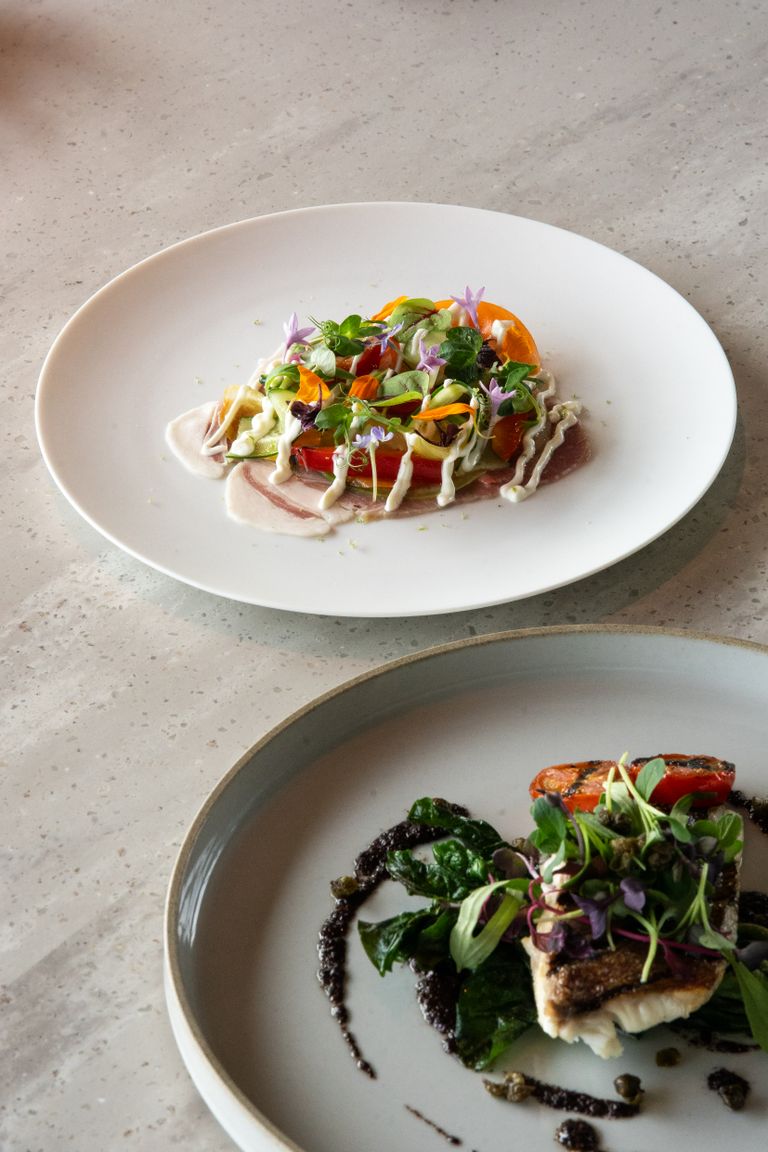
A tasting menu can tell you plenty about an evening: seasonal ingredients, the chef’s style, and perhaps a few unexpected flavor combinations. When cannabis enters the description, the questions become more specific.
Does “cannabis-inspired” mean the food contains cannabinoids? Is the event pairing ordinary dishes with a separate product? Can someone enjoy the full meal without consuming cannabis?
Before booking, get those answers from the organizer. A well-described experience should make participation clear, give guests meaningful choices, and explain what is included in the ticket.
That leaves more room to enjoy the food, rather than spending the first course trying to understand what you signed up for.
Find Out What “Cannabis Dining” Means
The phrase can describe several different experiences.
One event may focus on the plant’s history, aromas, and culinary connections while serving food without added cannabinoids. Another may offer an infused course. A third may serve an ordinary dinner alongside separately purchased cannabis products.
Those distinctions affect the evening.
Read beyond the headline and look for a description of what guests will actually eat or drink. If the booking page uses broad language such as “elevated flavors” without explaining the contents, ask directly.
A useful question is: “Which parts of the experience contain cannabis-derived ingredients, and which cannabinoids are included?”
You should not need specialist vocabulary to receive a clear answer. Nor should you assume that a cannabis-themed event is infused simply because the branding suggests it.
Separate CBD, THC, and Product Format
Cannabis terminology can become confusing when a menu, retail display, and wellness discussion share the same space.
CBD and THC are different cannabinoids. Food, oral preparations, and external-use products also belong to different categories.
For example, a balm displayed at a vendor table is not an ingredient for a dish. A topical should remain an external-use product, regardless of whether its label features familiar botanical oils.
For background on that distinction, 420 Magazine’s article comparing CBD salves and THC topicals offers related reading before browsing cannabis products alongside a dining experience.
At the table, return to the specific question: what is in this course, and is it intended to be consumed?
A clear menu should answer that without relying on a guest’s assumptions.
Ask Whether the Whole Menu Is Infused
A ticket might cover a complete infused menu, one optional course, or a non-infused meal with an add-on.
Find out which applies before paying.
Ask whether sauces, garnishes, drinks, and desserts contain cannabinoids as well as the main dishes. A guest may decline an infused entrée without realizing the accompanying beverage also contains THC.
It is also worth asking how changes are communicated. If the chef substitutes a course, will guests receive updated ingredient information?
Menus change for ordinary reasons, including ingredient availability. The important part is that the information changes with the food.
For a group booking, share the organizer’s explanation with everyone attending. Do not rely on one person summarizing it from memory at the table.
Make the Non-Infused Choice Part of the Booking
A good alternative should feel like a complete meal.
If someone in your group does not want cannabis, ask whether they can receive a comparable non-infused menu. Confirm whether that choice needs to be made in advance and whether it affects the price.
This is particularly useful for couples or groups whose preferences differ. Everyone can enjoy the same setting without making the same consumption decision.
Look for practical answers:
- Are non-infused versions available for every course?
- Will the plates be clearly identified?
- Can drinks be ordered without added cannabinoids?
- Who should a guest speak with if they are uncertain about a dish?
Guests should be able to decline without explaining their health history, work requirements, or personal reasons.
The organizer’s response can tell you a great deal about the care put into the event.
Understand That the Effects May Arrive Later
An infused meal is not simply a standard dinner with an unfamiliar flavor.
The CDC explains that cannabis edibles can have delayed or unpredictable effects. That matters during a meal because several courses may arrive before someone notices the effects of an earlier serving.
Do not interpret a lack of immediate effect as a reason to consume more. Ask how the event communicates serving information and avoid improvising additional servings.
Consider your plans for the entire evening, too. A dinner followed by driving, demanding work, or another activity requiring full attention is a poor arrangement if you intend to consume intoxicating products.
Arrange transportation beforehand, and avoid combining cannabis with alcohol. If medications or health concerns affect your decision, discuss them with a healthcare professional before attending.
Read the Food Details With the Same Care
Cannabis information does not replace an ordinary ingredient discussion.
Allergies, dietary preferences, and food intolerances still matter. A tasting menu may contain nuts, dairy, gluten, seafood, or other ingredients a guest needs to avoid.
Tell the organizer about relevant requirements before booking and ask whether they can accommodate them. “Plant-based” and “infused” describe different characteristics; neither establishes that a dish meets your needs.
If a preparation includes a purchased product, ask whether ingredient information is available for that component too.
The same applies to drinks. A beverage may contain sweeteners, dairy alternatives, botanical ingredients, or other additions that are not obvious from its name.
Clear communication is especially valuable when a menu uses poetic descriptions instead of listing its components.
Check the Setting and Schedule
The venue can shape the experience as much as the menu.
Find out whether the event takes place in a restaurant, private residence, outdoor space, or another setting. Ask about accessibility, seating, expected duration, and the arrangements for arriving and leaving.
An attractive photograph cannot answer whether guests will stand through a long reception or sit comfortably for the meal.
For an outdoor event, ask what happens if the weather changes. For a pop-up, confirm the location through the organizer’s official communication channel.
Also review the cancellation policy. A special event may have different terms from a regular restaurant reservation.
These details are ordinary booking questions, but they become easy to overlook when the concept itself gets most of the attention.
Look for a Host Who Welcomes Questions
You do not need an elaborate questionnaire. You need straightforward answers.
A well-organized event should be able to explain the menu, participation options, ingredient information, and schedule. If the response is vague or dismissive, keep looking.
Avoid treating enthusiastic testimonials as a substitute for those details. A previous guest’s enjoyable evening does not establish what will be served at the event you are considering.
Check the current listing and communicate with the actual organizer. Make sure everyone in your party understands the choices before the evening begins.
The most appealing cannabis dining experience is one where the food, hospitality, and information all receive proper attention. When the practical questions are settled before you arrive, you can focus on the reason you booked: sharing an interesting meal.

Today Starts Here LA was born from a simple belief: that food, culture, and cannabis all tell a story when experienced with intention. As a chef and writer, I’ve always been drawn to places where rituals matter—where consumption is slow, thoughtful, and deeply connected to community. Madrid is one of those places.
Spain doesn’t treat cannabis as a commodity. It treats it more like cuisine: private, contextual, and best enjoyed with respect for the process. Nowhere is this more evident than in clubs de cannabis en Madrid, a system that mirrors the intimacy of a chef’s table rather than the rush of retail.
Spain’s Cannabis Philosophy: Private, Intentional, Refined
Cannabis in Spain exists within a carefully balanced legal framework. While recreational cannabis isn’t fully legalized, private consumption is decriminalized, and cannabis social clubs have emerged as a culturally accepted solution.
The essentials:
- Cannabis use is prohibited in public spaces
- Private consumption is allowed
- Cannabis is shared through non-profit social clubs
- Membership is required
This structure has shaped a cannabis culture that values discretion and quality over scale—an approach any chef can appreciate.
What Makes Madrid’s Cannabis Clubs Different
Madrid’s clubs are not flashy. They don’t advertise. They don’t chase tourists. Much like a hidden neighborhood restaurant, you’re expected to arrive informed and respectful.
Inside, you’ll often find:
- Calm, lounge-like environments
- Conversations instead of crowds
- Thoughtful strain selections
- A focus on balance rather than excess
For those trying to navigate this scene, many naturally search phrases like “clubs de cannabis cerca de mi” to understand where and how access works in Spain.
A helpful, educational starting point is Clubs de cannabis cerca de mi
Resources like this help bridge the gap between curiosity and understanding—especially for visitors unfamiliar with Spain’s club system.
Cannabis as an Experience, Not a Transaction
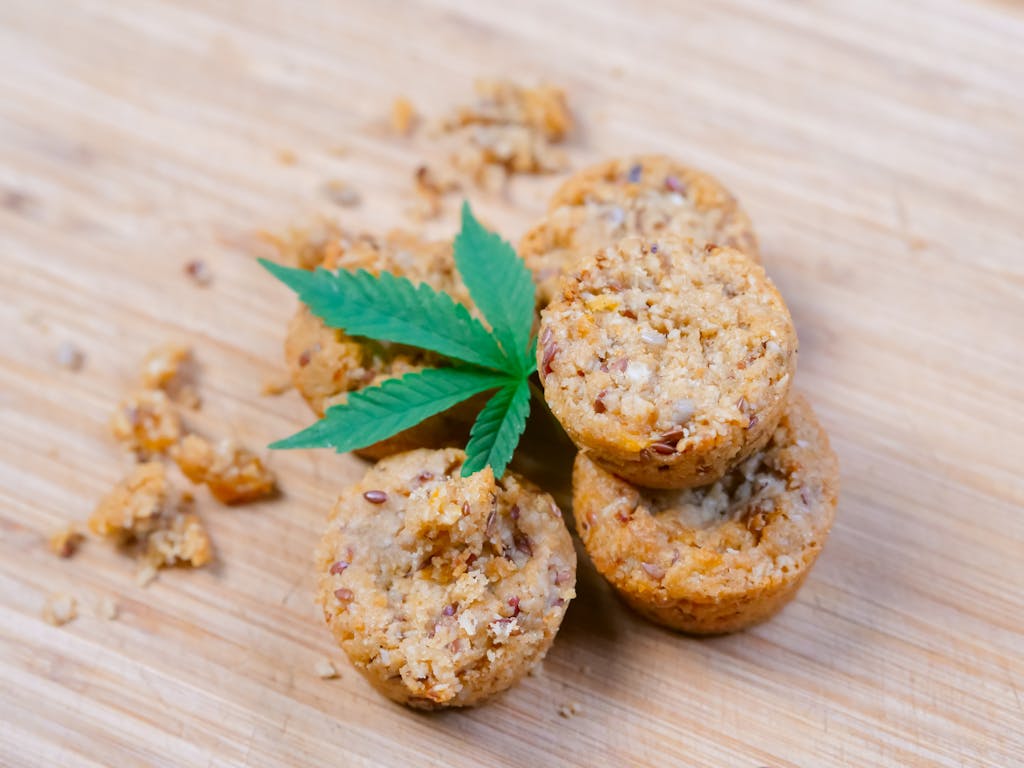
What stands out most in Madrid is how cannabis is treated as part of a broader sensory experience. Much like food, it’s not rushed. There’s attention paid to aroma, effect, and atmosphere.
This mirrors the culinary world:
- Terpenes are discussed like flavor notes
- Balance matters more than potency
- Setting influences the experience
- Moderation is respected
It’s not about consumption for its own sake—it’s about how cannabis fits into the moment.
For Travelers and First-Timers
If you’re visiting Madrid and curious about cannabis, a few principles go a long way:
- Never consume in public
- Avoid street purchases
- Respect membership rules
- Don’t treat clubs like dispensaries
Madrid rewards those who approach cannabis the same way they approach food here—with patience, curiosity, and respect for local norms.
Why Madrid’s Model Works
Madrid proves that cannabis doesn’t need to dominate a city’s identity to be meaningful. By keeping it private and community-based, Spain has allowed cannabis to coexist with art, food, and everyday life without overwhelming any of it.
For anyone interested in cannabis as culture—not spectacle—Madrid offers a compelling example.
Final Thoughts
At Today Starts Here LA, we believe every day begins with intention—what you eat, what you experience, and how you engage with the world. Madrid’s cannabis clubs reflect that same philosophy.
They are quiet spaces where culture leads, quality matters, and experience comes first. And in that way, cannabis in Madrid feels less like a trend and more like a tradition—still evolving, but deeply rooted.

Quick Take
The “secret” to staying lean on camera isn’t starving—it’s structure: balanced plates, consistent movement, smart recovery, and (when used) low-dose, timing-aware edibles.
The Creator Plate: Simple Framework That Keeps You Lean
Think in thirds (not strict macros):
- Protein (≈⅓ plate): eggs, Greek yogurt, cottage cheese, tofu/tempeh, chicken, fish, lean beef, legumes.
- Colorful produce (≈⅓ plate): greens, berries, citrus, roasted veg—volume and micronutrients without heavy calories.
- Smart carbs & fats (≈⅓ plate total): quinoa, oats, rice, potatoes; plus avocado, olive oil, nuts, seeds.
Season boldly (citrus, herbs, spices) so meals feel gourmet without relying on heavy sauces.
Terpene twist for foodies:
- Limonene notes love citrus dressings over grilled fish or tofu.
- Myrcene pairs with mushroom/roast-veg umami.
- Pinene pops with herb-packed pesto & crunchy salads.
Low-Dose Edibles Etiquette (If You Partake)
- Keep it low & late: If edibles increase your appetite or make you sluggish, save them for post-work or off-days.
- Separate infused from fuel: Use non-infused pre-workout snacks (banana + yogurt, rice cake + turkey).
- Label & portion: Infused butter/oil = consistent dosing; mix thoroughly; portion precisely.
- Know your rules: Follow local laws; store safely away from kids/pets.
You don’t need cannabis to stay lean. If you use it, be intentional so it supports—not sabotages—your routine.
A Camera-Ready Day of Eating (Example)
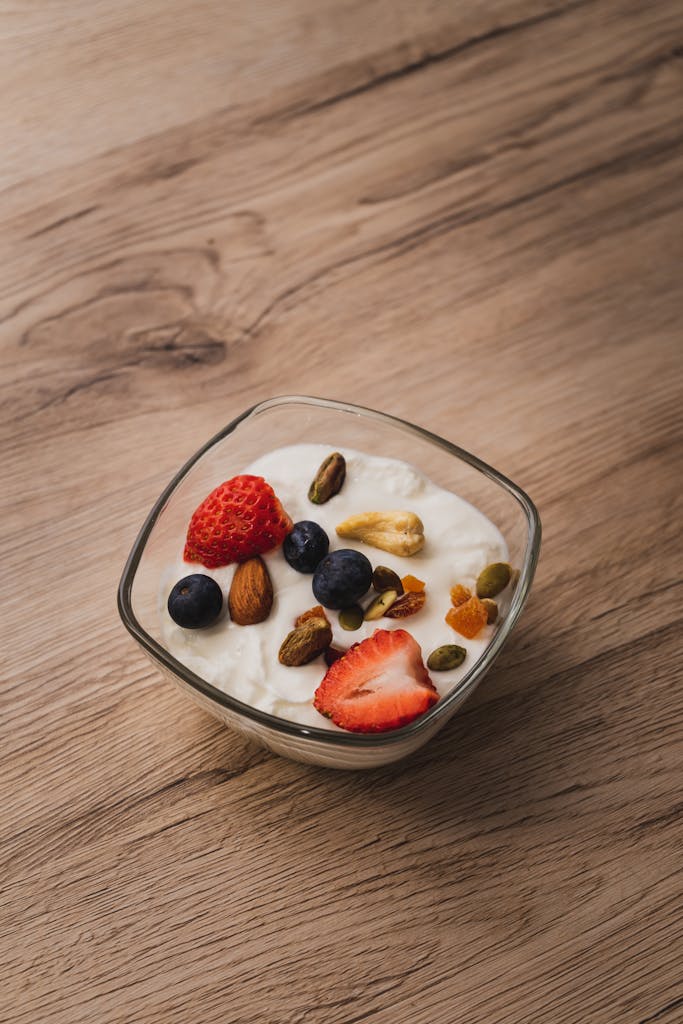
Morning (Hydrate & Prime)
- Water + pinch of salt or electrolytes
- Breakfast: Greek yogurt parfait (berries, chia, drizzle of honey) + small oat muffin
- Coffee/tea: Keep sugar modest
Midday (Protein + Produce)
- Lunch: Grilled chicken or tofu bowl—half plate veg (greens, cucumbers, tomatoes), quarter carbs (quinoa), quarter protein; lemon-tahini
Afternoon (Steady Energy)
- Snack matrix (pick 1):
- Cottage cheese + pineapple
- Apple + 2 tbsp peanut butter
- Turkey roll-ups + carrots
- Hummus + cucumbers + rice crackers
Evening (Satisfying, Not Heavy)
- Dinner: Salmon (or tempeh) with roasted broccoli, sweet potato wedges, citrus-herb drizzle
Late (Optional, Off-Camera)
- If using edibles, choose low-dose after work; follow with a high-protein bedtime snack (casein yogurt, cottage cheese) to curb munchies. (Create more cannabis Recipes)
Three Quick 420-Friendly (or Not) Recipes
(Make them infused by swapping in measured infused oil/butter, or keep non-infused for training days.)
- Citrus-Herb Salmon Traybake
Salmon, broccoli, thin potato rounds, olive oil, lemon zest, parsley. Roast 400°F ~15–18 min. Finish with extra lemon.
Why it works: Protein + fiber + potassium = camera-friendly. - Green Goddess Tofu Bowl
Seared tofu, quinoa, baby spinach, cucumbers, edamame, avocado, green goddess yogurt (herbs + lemon).
Why it works: Plant protein + slow carbs; super filling. - Berry Chia “Cheesecake” Cup
Greek yogurt, chia, vanilla, berries, crushed almonds. Chill 15 min.
Why it works: High-protein dessert swaps out heavy sugar/fat.
Movement That Matters (Beyond the Gym)
- NEAT is king: 8–12k steps/day keeps total burn high without frying your nervous system.
- Training split (3–4x/week):
- Day A: Lower (squats/hinges, lunges, calves)
- Day B: Upper push/pull (press, row, lateral raises)
- Day C: Full-body + core (hip hinge, carry, anti-rotation)
- Short finishers: 8–10 min EMOM or intervals; keep form crisp.
- Pose-practice: Creators rehearse angles/lighting; treat it like skill work.
Photo-Day De-Bloat Playbook
- Emphasize potassium-rich foods (bananas, potatoes, greens).
- Go easy on very salty sauces the night before.
- Ginger or peppermint tea for a calm stomach.
- Keep carbs moderate but present (for muscle fullness), pair with lean protein.
Recovery: The Real Fat-Loss Multiplier
- Sleep 7–9 hours: Appetite hormones behave; cravings drop.
- Hydration: 2–3L/day, more if training or shooting under lights.
- Light stretch + breathwork: Lowers stress, which lowers “stress-snack” temptations.
- Caffeine timing: Early-day; cut off mid-afternoon for better sleep quality.
Where to Find Creator Inspo (Adults Only)

Want to see how different creators approach fitness, food, and on-camera prep?
FAQ
Do you have to be super low-carb to stay thin?
No. Creators often cycle carbs around activity and keep portions in check rather than eliminate them.
What if edibles give me the munchies?
Use them after your main meals, not before. Keep high-protein snacks ready and pre-portion treats.
How fast can I get “camera-ready”?
Consistency beats extremes. Two weeks of structured meals, steps, and sleep can noticeably tighten things up.
Cannabis recipes refer to any type of food or drink that incorporates cannabis as either an integral ingredient or as an add-in during cooking, often through infusing butter or oil with cannabis as part of the recipe. Cannabis can be used in sweet as well as savory dishes; for best results use only high quality cannabis free from mold, pesticides and pathogens for each recipe and utilize an edible dosage calculator or measure out according to what the specific recipe requires.
Beginners to cannabis recipes should start off slowly and easily, such as with box brownie mix. Just be sure to swap out some of the butter with cannabis-infused butter so you can easily manage how much is consumed.
Once you’ve mastered the fundamentals of cannabis cooking, it’s time to step it up a notch. One effective technique for creating cannabis-infused culinary creations is infusing oils or butter with cannabis-derived extracts. This technique can be found in both savory and sweet recipes, from pasta with olive oil to chocolate pretzel cookies and citrus-infused cake. When creating cannabis-based oil or butter recipes, decarboxylization of cannabis prior to its use is absolutely vital. Decarboxylation is the process by which raw cannabis terpenes are converted to psychoactive cannabinoids. This can be accomplished by baking it at low temperature for approximately 30 minutes at a temperature no higher than 240 degrees Fahrenheit; otherwise terpenes could be damaged and its flavor and potency reduced significantly.
Infusing liquids such as juice or water with cannabis is another popular method for creating cannabis-infused culinary masterpieces. This process works particularly well when adding cannabis into beverages or as the basis of sauces and dressings; beginners should start out by following simple recipes until they master this process.
If you’re searching for an original cannabis dish, why not give tincturing a try? Tinctures are an easy and time-tested method of cannabis preparation which can be used to infuse foods and drinks – including gummies! Making your own cannabis tincture recipe takes just days!
Consistency is key when it comes to creating cannabis-infused edibles, and using a professional chef’s recipe will ensure you end up with consistent doses of active cannabinoids. Beginning with small batches and gradually increasing serving sizes will give you a better sense of how your body reacts to various dosage amounts. When measuring ingredients it’s also crucial that an accurate kitchen scale be used; an inaccurate scale could result in inconsistent results so consider investing in digital kitchen scale.
Cannabis plants contain many cannabinoids, including THC, which has many therapeutic effects. THC may provide relaxation, euphoria and pain relief while simultaneously relieving anxiety, depression and insomnia, improving sleep quality. Consumption of THC-infused beverages provides greater control than smoking or vaping for dosage control – though keep in mind that THC infused drinks may contain higher dosage than other cannabis products – for this reason it’s wise to begin slowly with cannabis-infused drinks before increasing dosage over time.
Cannabis-infused drinks come with an assortment of ingredients and benefits, often consumed for their flavor or health purposes. They may also be added into dishes and desserts to add new layers to flavors and textures. Many choose cannabis-infused beverages as less harmful alternatives than smoking/vaping which may irritate lungs and lead to long-term respiratory issues; infused drinks provide another avenue for those unable or unwilling to smoke to experience its effects.
Before creating cannabis-infused food items, it’s essential to decarboxylate your cannabis first. This process involves heating marijuana until its THC is activated and converted into usable forms – this can be accomplished using various methods, from microwave or oven heating up the cannabis directly, or simply placing it out in direct sunlight.
Once your cannabis has been decarboxylated, you can create various delicious infused foods using it. A popular example is cannabis butter which can be used both sweet and savory recipes. While many types of oils can be used to create cannabis butter, coconut oil remains the go-to choice due to being flavor neutral and versatile enough for any recipe imaginable – whether homemade pizzas, salmon salads or even quiches with kief inside!
Cannabis tincture is another delicious cannabis-infused food option that can be used in multiple culinary applications. Easy to create, it can be stored long-term in dark glass jars for optimal storage conditions. To achieve top quality results when infusing cannabis-infused mixture, gradually heating the mixture while maintaining an even temperature throughout its infusion timeframe.
If you’re planning to open up a THC-infused drink business in your state, it’s essential that you understand its laws and how they impact your product. In general, beverages containing less than 0.3% THC must be legal; however a lower concentration may also be beneficial if your target audience requires medical assistance or has other preferences.
If you are considering developing a THC-infused beverage, it is wise to speak with an experienced cannabis business attorney prior to commencing development. They can ensure your products adhere to local and federal regulations as well as your desired experience – for instance indica products are known for relaxing effects while sativa ones could provide a refreshing energy boost.
Cannabis-infused food or drinks refer to any product enhanced with a concentrated dose of the psychoactive compound THC. While most beverages only contain THC, others may include additional chemicals like caffeine, alcohol and cannabidiol (CBD). Cannabis infusions have become one of the most popular ways to enjoy cannabis; many companies sell cannabis-infused drinks at retail stores and cannabis dispensaries while consumers can also make homemade drinks using cannabis oil and other ingredients.
Cannabis-infused drinks come in various flavors and can be purchased at grocery stores and specialty shops across the U.S. They’re often promoted as healthier than traditional alcoholic drinks and sold to people over 21 in states where marijuana legality has been approved, providing another discreet method of indulging in higher concentrations of THC than smoking or chewing on edible marijuana products.
Infused drinks should not be given to children and may lead to adverse health effects in some individuals. As the amount of THC can vary widely between drinks, it is crucial that users read labels carefully and follow directions for their safety as excessive doses could produce more intense highs than desired and may lead to overintoxication if more than one infused beverage is consumed at once.
THC-infused drinks tend to be stronger than standard alcoholic beverages. A typical THC-infused beverage typically contains between 2-4 milligrams of THC per 8 ounces, making it very strong if someone who is new to consuming large doses is unaware. Furthermore, due to the lack of standards within the industry it can be hard to assess exactly how much THC there is in each drink.
Homegrown cannabis infusions allow you to tailor both dosage and flavor profile exactly to your preference, from smoothies and baked goods, all the way through to creating your own cannabis-infused cooking spray!
To create a cannabis infusion, first you will need to decarboxylate your cannabis by heating it at low temperature for an extended period of time, activating cannabinoids with heat. After decarboxylation has taken place, ground the cannabis finely before adding it to any recipe and simmering the mixture for at least four hours – stirring regularly will prevent burning from taking place!
Once the infusion has cooled, it should be transferred to an airtight container and stored in the fridge. Refrigerated tinctures have an expected shelf life of six months; for longer storage needs it can also be frozen.
Popularity of infused beverages stems largely from their socially acceptable consumption without drawing any unnecessary attention to themselves. Furthermore, they offer an alternative way of indulging cannabis that can help alleviate anxiety, depression and stress symptoms.
There are various approaches to creating cannabis recipes, from using decarboxylated buds as cooking ingredients or creating cannabis tinctures for beverages. The ideal recipe depends on your intended use; for higher potencies you’ll require more decarboxylated buds in your base ingredient.
No matter your appetite or taste buds, cannabis has the right recipe to meet it! When selecting a strain to use in your recipe, choose something you can smell and taste to familiarize yourself with its aromas and flavor profiles – often times, certain strains pair perfectly with specific dishes more effectively than others do.
Once you’ve assembled all your ingredients, the next step in edible cannabis production is decarboxylation: this process transforms THC and CBD found in cannabis into forms that can be consumed through food or inhaled by your body directly.
Baking cannabis for cooking is the preferred method. Preheat the oven at 245oF and bake the buds for 30-40 minutes, turning every 10 minutes or so for even baking. Decarboxylation can also be accomplished using a slow cooker by slowly heating cannabis over a longer period.
Once the bud has been decarboxylated, you can mix it with oil or butter of your choosing for your recipe. The exact ratio depends on you, but usually 3 parts weed to 1 part oil works best. Oils rich in saturated fats bind better with cannabinoids than more volatile oils so be mindful when selecting your oils.
Dependent upon the recipe, additional spices and flavors may be desired for optimal results. Lemon juice is often added as it has an acidic base that helps dissolve fats more efficiently.
Tinctures are an easy way to incorporate cannabis into drinks and other recipes. Tinctures are alcohol or oil-based concentrates with high THC or CBD levels that come packaged in dropper bottles for ease of use in drinks or food items.
if you’re new to cooking with cannabis, it is wise to begin with an easy and straightforward recipe which uses just a small amount. That way, you’ll gain experience at working it into meals without altering their overall flavor or texture.
Once you’ve mastered the fundamentals, try your hand at more complex cannabis recipes. From cannabis brownies to vegan ricotta and spinach stromboli – there’s something suitable for every appetite and experience level! Just remember when working with cannabis, use safe cooking techniques in an appropriately equipped kitchen, while respecting any personal limits or precautions necessary.
As legalization expands, THC-infused products have become more readily available – from tasty edible treats like brownies, cookies and granola to beverages – though it should be noted that inhaling THC differs significantly from smoking or vaping; not only is the timeframe longer for its effects to reach your brain via digestion (between 30 minutes to two hours, per the Gronhermen 2003; Huestis et al 2007), it requires precise dosing using tools like food scales and silicon molds in order to achieve consistent dosage every time!
THC is lipid soluble, meaning that it binds with fats found in food or drinks you consume. To create THC-infused oil, mix decarboxylated cannabis with your chosen carrier fat in either a double boiler or makeshift one using heatproof bowl and saucepot and heat gently over low to medium heat for at least 60 minutes to six hours while occasionally stirring the mix. Keep an eye on its temperature so it does not exceed its smoke point of approximately 200 degrees Fahrenheit.
Once the infusion is finished, allow it to cool before refrigerating or storing for use. Oils should last two months in room temperature storage or two months when refrigerated; when keeping refrigerated make sure your THC potency estimate per 1/4 cup, tablespoon, or teaspoon is clearly labeled.
Infusions can be used in almost any recipe that calls for oil, including baked goods, scrambled eggs, salad dressing and hair and body wash. You can even use infused butter instead of regular butter in baking or as an addition to coffee beverages – adding rich flavor without changing its consistency! Infusions may even replace cooking oil when used at high heats for stir frying or roasting vegetables!
Cannabis-infused drinks have rapidly gained in popularity as consumers look for different ways to enjoy cannabis. Many view these beverages as healthier alternatives to alcohol or vaping; they may even prove more convenient. But as with all recreational drugs, cannabis-infused drinks should be consumed responsibly as their effects could mirror those seen from smoking or vaping alone.
Infused beverages contain THC, the psychoactive component of marijuana. This compound may produce various side effects including drowsiness, relaxation, euphoria and motor skill impairment as well as feelings of intoxication that last up to two hours after drinking cannabis-infused drinks. Therefore, it’s essential that you know when THC-infused drinks will take effect so you can plan for any adverse impacts to daily activities and plan accordingly.
Many individuals prefer drinking cannabis infused beverages over smoking it as this method is much less potency and easier to take in public settings. Furthermore, cannabis-infused drinks can be consumed any time of the day without emitting the strong odor associated with smoke-borne marijuana.
Cannabis-infused drinks have grown increasingly popular because they provide a social buzz without leaving an aftertaste behind. Furthermore, younger consumers are turning away from alcohol altogether or cutting back drastically; this change is driving growth of cannabis-infused drinks with various flavors and THC dosages available on the market.
THC-infused beverages are easily available at most dispensaries as either pre-made solutions or DIY kits, both of which provide all of the ingredients and instructions needed to create your own cannabis-infused drink. DIY kits offer beginners a great opportunity to experiment with various recipes until finding their ideal combination of ingredients and dosage. Furthermore, they’re an excellent solution for people without adequate kitchen space who would prefer leaving infusion to professionals.
Crafting your own cannabis-infused beverage may seem simple, but there are several things you should keep in mind when creating the recipe. First of all, THC cannot dissolve in water but loves fat-rich bases like butter, olive oil, coconut oil and bacon fat – these allow it to fully extract into the liquid while decarboxylating into its active forms during infusion process.
Once your infusion is finished, it’s important to strain and store the solution. Use a fine mesh strainer or cheesecloth-lined sieve to separate your infusion from any excess plant material; this step ensures a high-quality end product.
Start slowly as you become acquainted with the effects of cannabis-infused drinks; gradually increasing your dosage as necessary. Overdosage may occur, so it is wise to err on the side of caution by following industry best practice “start low, go slow”.